Five Questions with a Conservator
Knowledge hub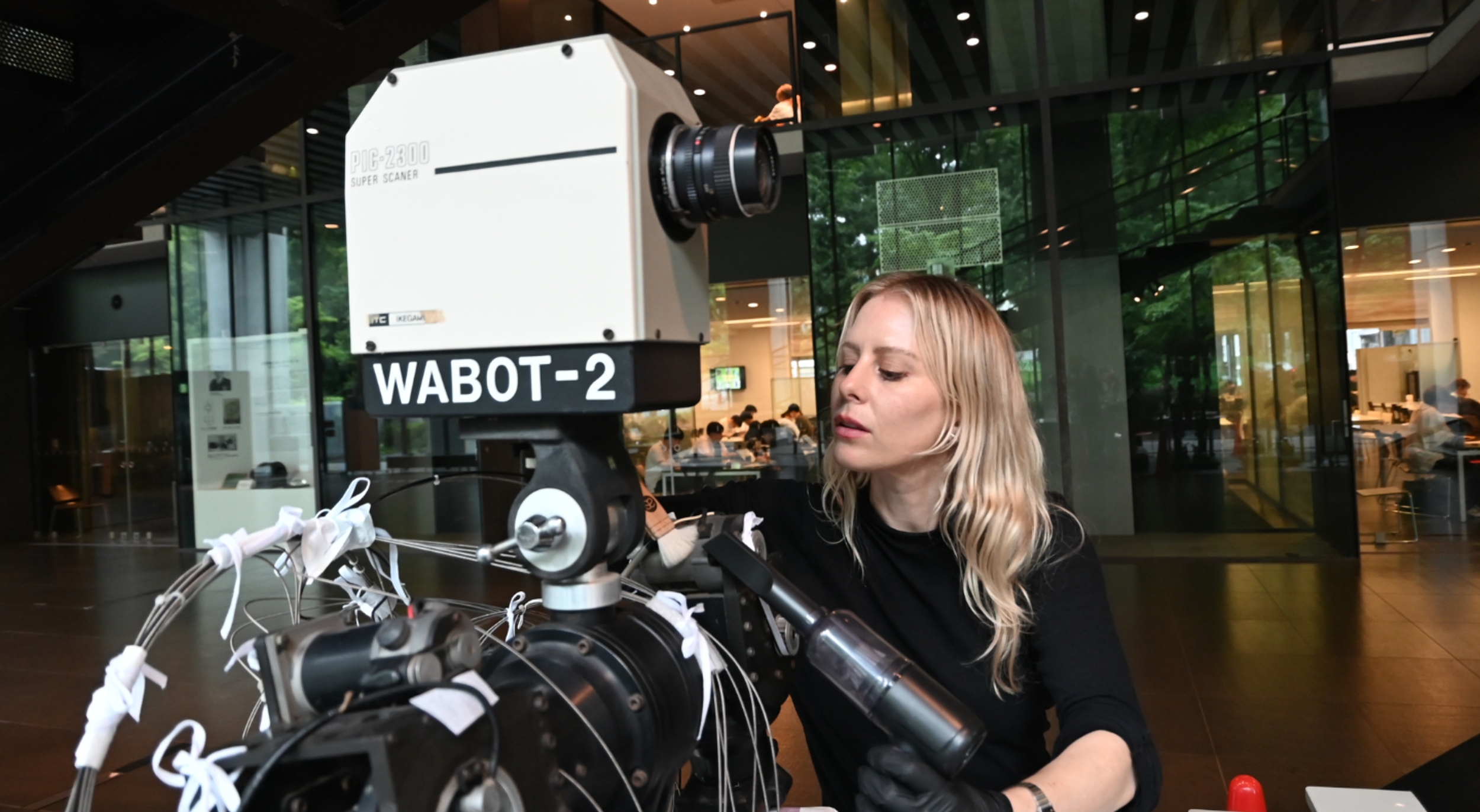
Ellie Thomas working on WABOT-2 in preparation for FRIEND, 2026. Photo courtesy of Waseda University
Inside the life of a Conservator at NCM
Interview with Ellie Thomas • 04 Mar 2026
If you’ve visited NCM’s permanent galleries, you’ve seen objects from our collection on display. But what’s on show is only a fraction of the story. Did you know NCM cares for more than 100,000 items behind the scenes?
Led by Conservator Ellie Thomas, our Collections team ensures objects are preserved, documented and prepared for display, so they can be shared with audiences now and into the future. The team also works closely with NCM Studio and Exhibitions, identifying duplicate items (not formally accessioned into the collection) that can be used in playful and experimental ways to reinvent technologies—many of which appear in our temporary exhibitions and permanent displays.
We asked Ellie about the life of a conservator in this edition of Five Questions with a Conservator.
Five Questions with a Conservator
1. What does your job mainly entail?
I'm a senior conservator and I work in the collections at NCM. On any day you might find me at our museum in Hawthorn or at our offsite collections store maintaining our collections — undertaking condition assessments of collection items on display and in storage, carrying out conservation work (which can be both interventive and preventative), making mounts for materials to be on exhibition, constructing bespoke stillages for sensitive collection materials in storage, reviewing policies, cataloguing, and working with artists and lenders. I can honestly say no two days are the same.
2. What kind of objects can be found in the NCM Collections?
With a central focus on interpreting communication, our collection is understandably diverse. What is it to connect? The possibilities are deliciously endless, and constantly emerging. While we have physical materials that date back to the 1800s, so much about communication involves immaterial acts.
We have an incredible archive of oral histories, as well as an archive of sound. In our museum we have a working electromechanical telephone exchange, a wall of activated oscilloscopes, and a cyber café where you can experience the internet across different eras.
We have letters, diaries, scrapbooks, telegrams, Morse keys, receivers, faxes and fax machines, testing equipment, broadcast material, radios, the speaking clock, computers, cameras, phones, a film collection, a photographic collection, a technical library, digital material, floppy discs, cables — even telegraph lines.
3. How does NCM preserve its Collections?
In a museum, the building and environmental conditions are always the first line of defence in preserving collections. Temperature-and humidity-controlled environments for storage, pest control, and the use of archival-grade materials to house collection items — these kinds of measures allow us to focus on more sensitive materials in the collection.
We ensure materials are clean and dust-free, and we undertake conservation treatments to ensure stability. We document everything that we do.
One of the biggest risks to any collection is disassociation — this is when identifying information about the material becomes separated from the object. Having solid collection management practices, including a good collection management system, is a critical and often under-represented aspect of preservation.
4. Do you have a favourite object in the NCM Collections?
I am trained as a paper conservator, so I always gravitate to our print material and books; we have some great examples of graphic design, print methods and processes in the collection.
I love discovering unexpected things — actually, the other day I came across a collection of 8x10 C-type photographs of manholes in footpaths (a portal to the world of underground telecommunication cables) taken by someone who really had an eye for photography. They’re striking.
5. What’s your favourite part about your job?
I love coming to work. The NCM team is always so inside what they’re doing — it’s an exciting, infectious and inclusive energy. It’s wonderful to be able to share that with everyone who visits.
It’s a big job, but at the end of the day, conservation, collections and museums — it’s all about people. That’s the best part.
Collections
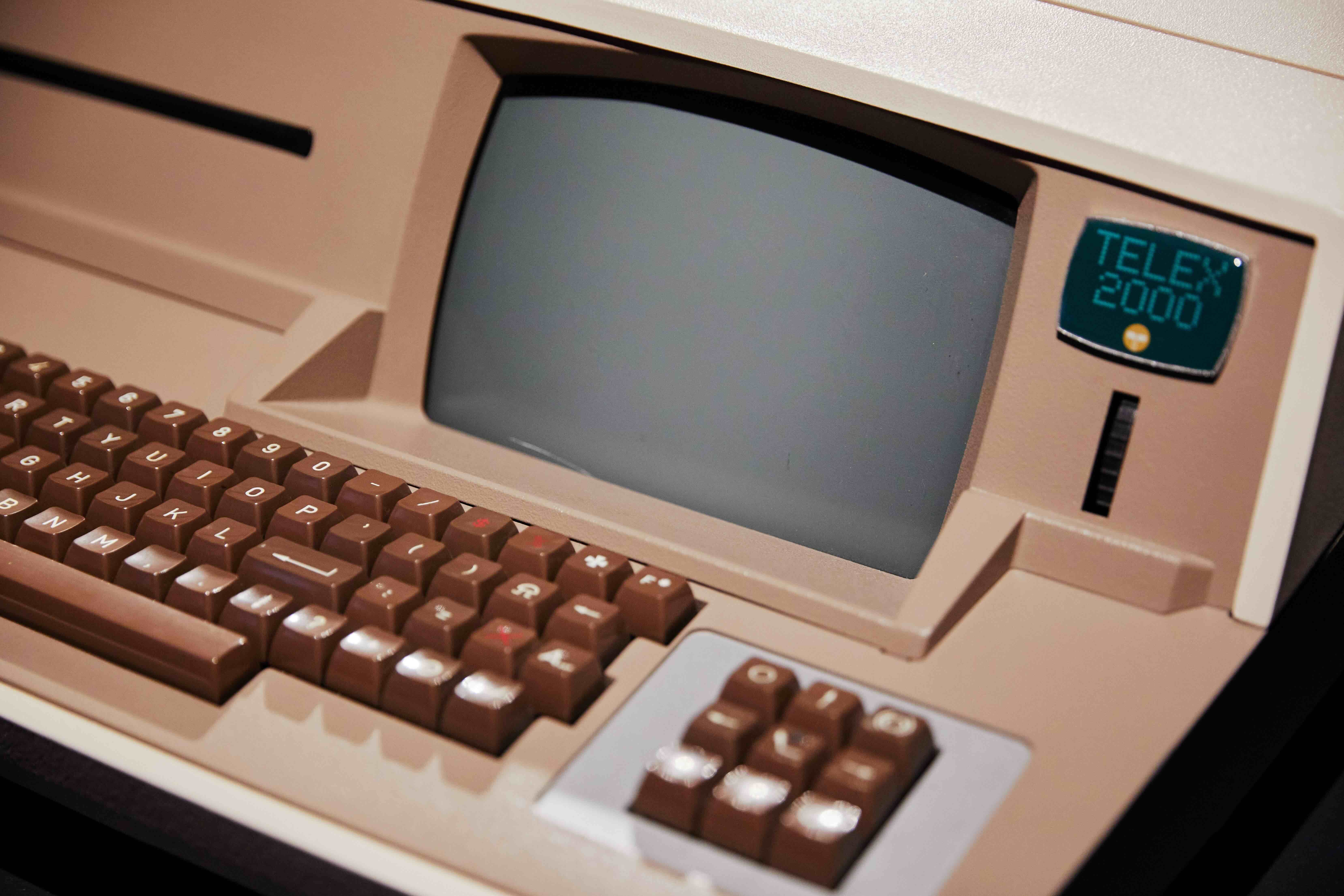
Explore more about the NCM Collections and discover how we care for over 100,000 objects that tell the story of how Australians have connected across time
Learn more
About Ellie Thomas
Bio
Ellie Thomas is the Senior Conservator at the National Communication Museum (NCM), specialising in modern materials and paper. She holds a Master of Cultural Materials Conservation from the University of Melbourne, with a background in art history and psychology. Her research draws upon on interdisciplinary theories to consider modification or destruction of cultural materials as a means of ongoing preservation, and is published in peer-reviewed academic journals including a recent contribution in the publication Keeping Things Together: 50 Years of the Women’s Art Register. She sits on the Editorial Committee of the AICCM Bulletin and served as Secretary of the Women’s Art Register from 2024–2025.