In Conversation with the Curator | Jemimah Widdicombe

Senior Curator Jemimah Widdicombe with robots from FRIEND, 2025. Photo by Casey Horsfield
Ever wondered how an exhibition comes together?
Jemimah Widdicombe • 04 Mar 2026
Ever wondered what goes into creating an exhibition?
In this edition of Five Questions with the Curator, NCM’s Senior Curator Jemimah Widdicombe shares what it’s like to bring an exhibition to life. From shaping ideas and selecting objects to designing experiences for visitors.
Discover the thinking, research and creativity behind the exhibitions you experience at NCM.
Five Questions with the Curator
1. How do exhibition ideas begin at NCM?
Our exhibitions grow and evolve in unique ways. NCM is a facility for conversation and exchange that explores the past, present and future technologies that connect us. Within this context, our shows are responsive to technological changes and key topics happening in our lives and the world around us. As Senior Curator, I work closely with Emily Siddons the Artistic Director (who sets the program) to refine and develop ideas. In the early stages of development it’s always a collaborative team process. Often we find that the first ideas that get the team inspired are the best ideas, like building a Cyber Cafe! Listening to our visitors is also really important. FRIEND, for example, was sparked by a few different subjects. It built upon responses from our audiences to Sophia and Diamandini, the robots who helped open NCM. It was also about responding to complex changes happening in AI, robotics and genetics in nuanced, tangible and accessible ways. I love the ideas phase. Daydreaming, research and 'conceptual soup' are a must.
2. How do you decide which objects to include in the exhibitions?
It depends on the show and the topic. After the initial idea I like to start with a deep period of research, for example, talking to people, reading and working with objects. A key curatorial method of NCM is collapsing ideas of linear time, or of technological "progress". In practice, this means connecting old and new objects, finding relationships that may not always be expected or obvious and working with people to share their stories connected to these objects. Sometimes the objects are actually the last thing that might get chosen for a show (if at all).
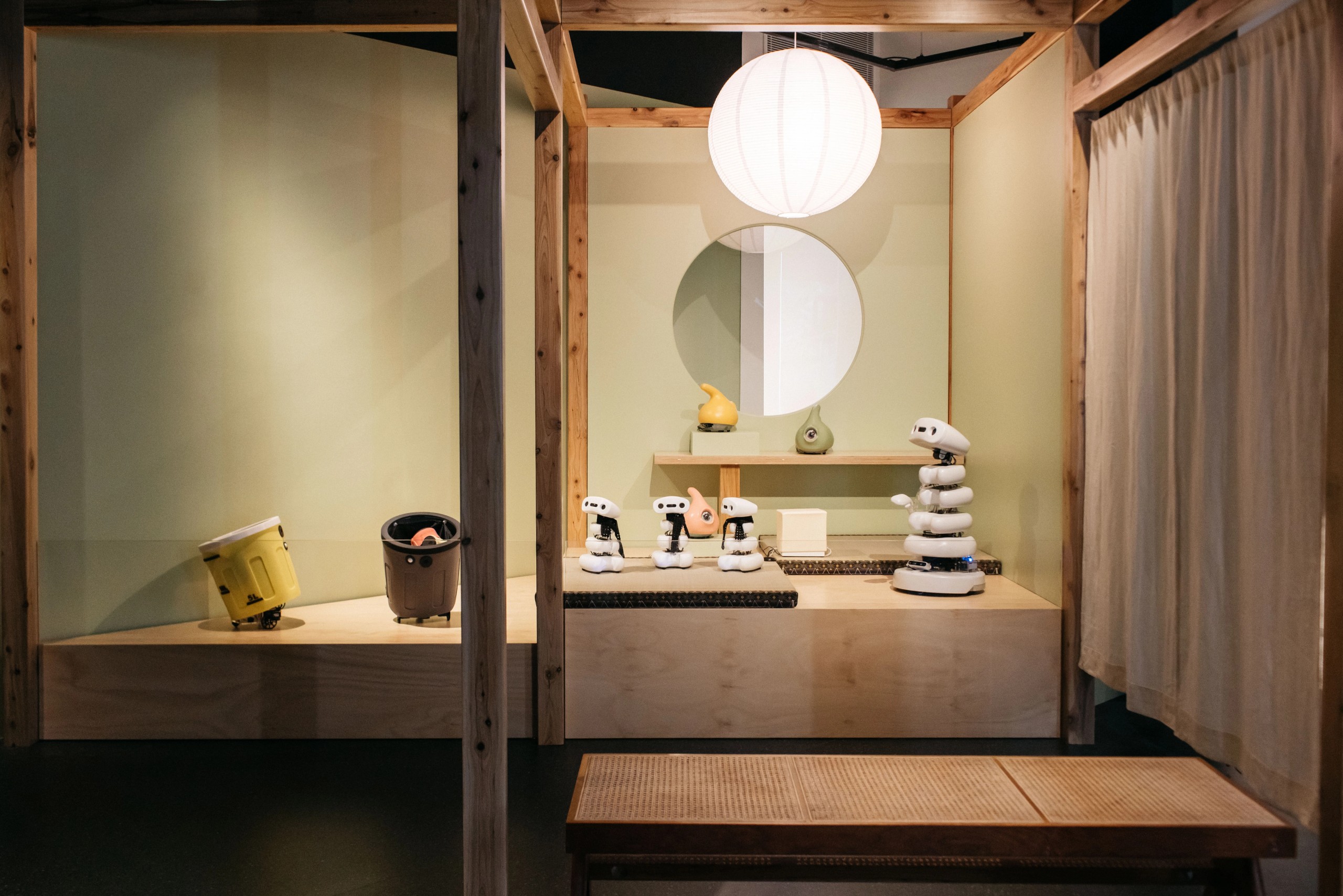
In FRIEND, the first object I selected was WABOT-2. I'd been researching it for a few years and this guided the selection of all the other creative works and technologies in the show. I was particularly interested in WABOT-2 as a technology, as an artwork and above all as a creative partner, more of a social actor than an object at all. NCM exhibitions can include objects from our collections, but not always. I'm also really interested in pushing the boundaries of exhibitions more broadly, what about digitally born objects, or designing shows that might not have 'objects' at all.
3. As NCM’s Senior Curator, what key considerations guide your curatorial decisions?
That's a big question! Ethics, curiousity and collaboration are some of the things that guide my practice. Recently, I've also been interested in the importance of intuition as a way of decision making in the context of the algorithmic flattening of everything. I see human relationships as central too, encompassing working with people within the team, external collaborators, community members and so many others. So much of curatorial work is about building and sustaining meaningful ongoing relationships with people (and technologies) and to do this you have to listen. Listening is key for having the complex and nuanced conversations we need amidst so much technological and social change. That said, also have fun, experiment, think critically and embrace failure! These are all things we value at NCM.
4. What do you hope visitors take away from an NCM exhibition?
I hope that people leave transformed in a meaningful way. How might being part of this show or programme as a visitor shift how you think, feel or act in the world? Did you learn something new, is there something that moved you, or that you agree or really disagree with? These are all things that I love to hear about from people coming into shows at NCM. I'm also really keen to marry physical spaces with the digital and so I hope that people continue to experience NCM exhibitions online and as well as in the gallery itself.
5. What can audiences look forward to in future exhibitions?
The past couple of years we've been working extensively with international artists and partners on shows such as Instruments of Surveillance, Signal to Noise and FRIEND. It's been incredible, some of my highlights include NCM showing Nam June Paik's Internet Dream in Australia for the first time. Also talking to the endlessly fascinating artists, researchers, robots and technologists from FRIEND. The next few shows represent a return to the local, exploring creative infrastructure and alternative community-built digital networks. I'm working with some wonderful external curators from the NCM family for those shows including PSEUDO and Mel Huang. I'm also really excited about NCM's new digital space too. Hold this space, I can't reveal the details yet...
Read more about what's to come here.
Exhibitions
NCM’s exhibitions are bold, dynamic and always evolving. We collaborate with artists, researchers, institutions and industry to create shows that spark new ways of thinking about how we connect across time, space and technology.
Learn more
About Jemimah Widdicombe
Bio
Jemimah Widdicombe leads the development of temporary exhibitions and acquisitions as Senior Curator at the National Communication Museum (NCM) in Naarm/Melbourne, Australia. Her work focuses on the intersection of culture and technology, and is underpinned by foundations in human interaction research and design and cultural production.
Jemimah is curator of the exhibitions FRIEND, Instruments of Surveillance and co-curator of the NCM permanent galleries. Recent publications include un Magazine, The Conversation and PRISM. Her curatorial career spans over a decade of interdisciplinary projects, including strategic exhibitions, collections and content roles at Museums Victoria and the University of Melbourne, coupled with extensive experience in digital research, education and cultural program coordination in Kanaky New Caledonia and France.
