Workshop | Electric Pathways: From Circuits to Communication

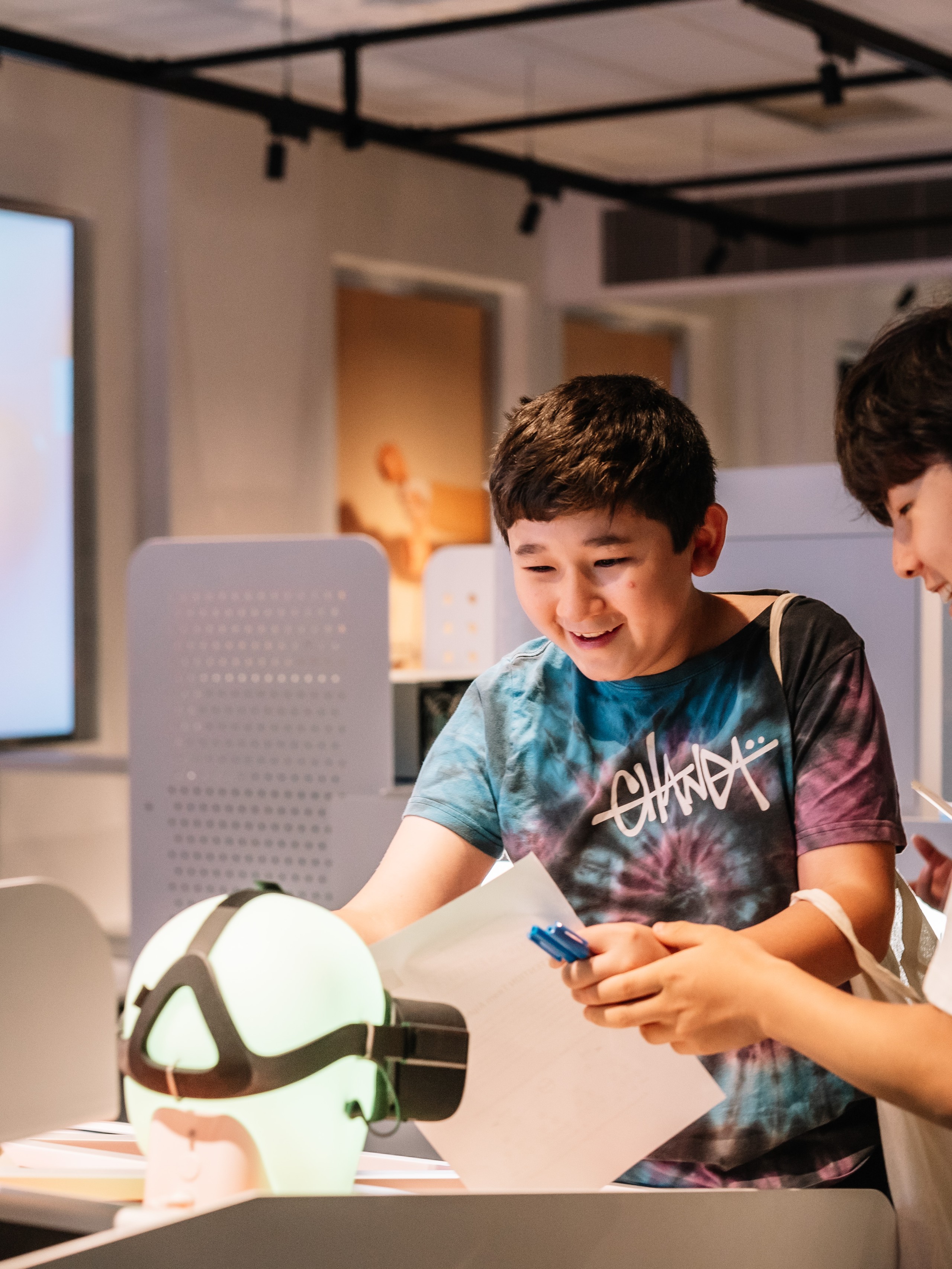
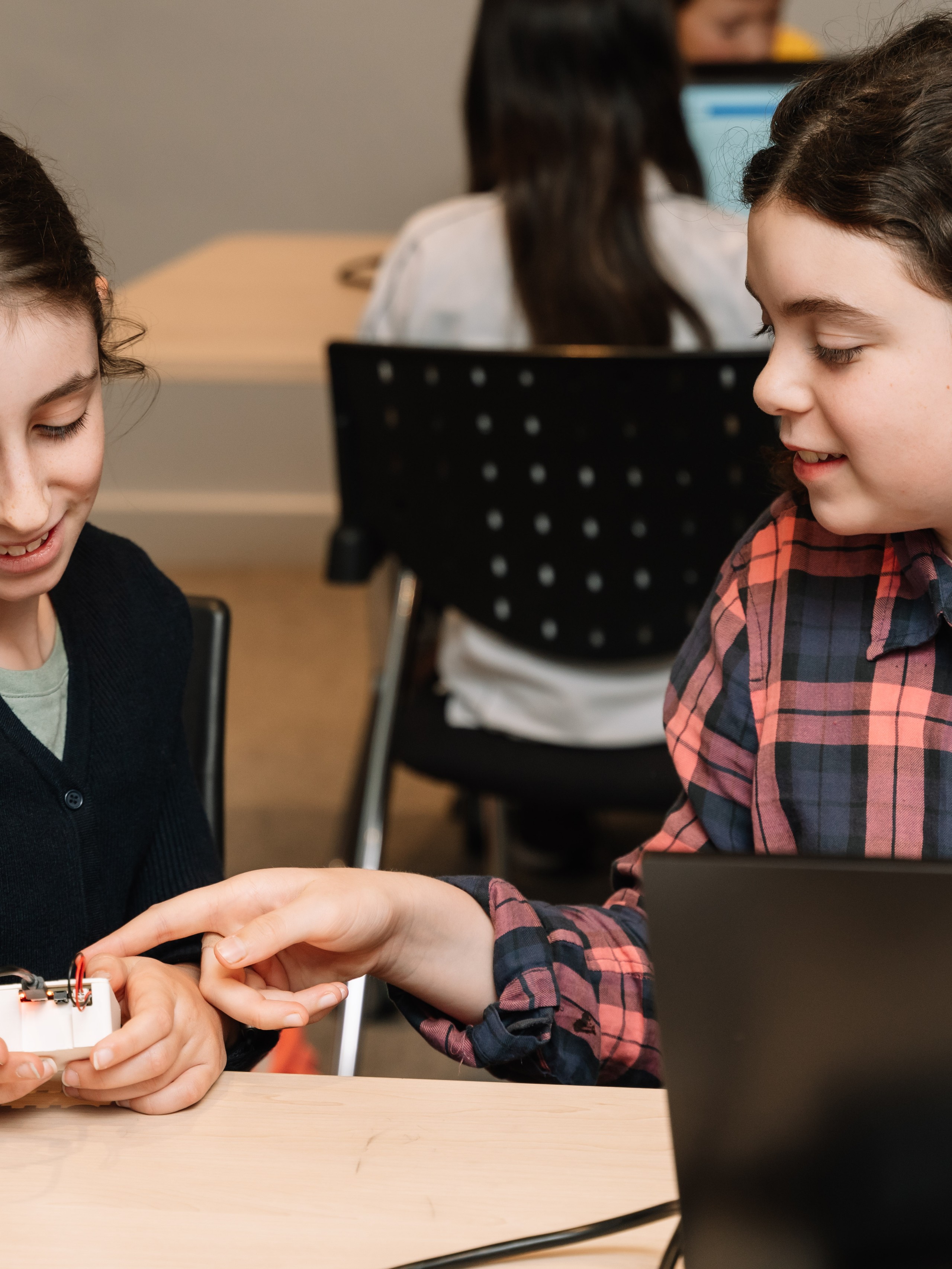
Photo by Phoebe Powell
Electric Pathways: From Circuits to Communication
This workshop is delivered by our Swinburne University PrimeSCI Partners
Year Level: 5 - 6
Duration: 60 mins
Maximum number of students: 30 per session
Price: $300 + gst
Lesson Summary
Light up your students’ imagination and spark their curiosity! In this hands-on workshop, students will learn what a circuit is and why it’s essential for communication. We’ll start by exploring the necessary parts of a circuit, including batteries, wires and switches. Students then assemble their own circuit and see it in action, send and receiving messages using Morse code. This workshop is perfect for young scientists who are eager to explore the wonders of electricity and communication.
Learn about curriculum links below or fill in our enquiry form to start the booking process
Objectives and Curriculum links
Objectives
• Students will identify necessary components for an electric circuit
• Students will construct an electrical circuit to allow the safe flow of electricity
• Students will understand how the switch part of a circuit relates to the history of communications, including Morse code and the telegraph
• Students will send and receive Morse code messages using a simple circuit
Curriculum Alignment
This lesson is linked to the following Victorian Curriculum 2.0 content descriptors for Year 5/6:
Physical Sciences
• materials may be electrical insulators or conductors; energy can be transferred and transformed in the electrical circuits where the components of the circuit play particular roles in the function of the circuit (VC2S6U09)
Design and Technologies (Engineering)
• explain how electrical energy can be transformed into movement, sound or light in a product or system (VC2TDE6C01)
History
• use both the museum and the workshop to explore changes in communication in Australia, including the contribution of individuals and ideas over the key study period from 1800 – present day (VC2HH6K02, VC2HH6K03, VC2HH6K05). Support students’ understanding of chronology and see examples of historical sources, as you explore the change in communications over time.