Workshop | Future Connections: 3D Design and Printing

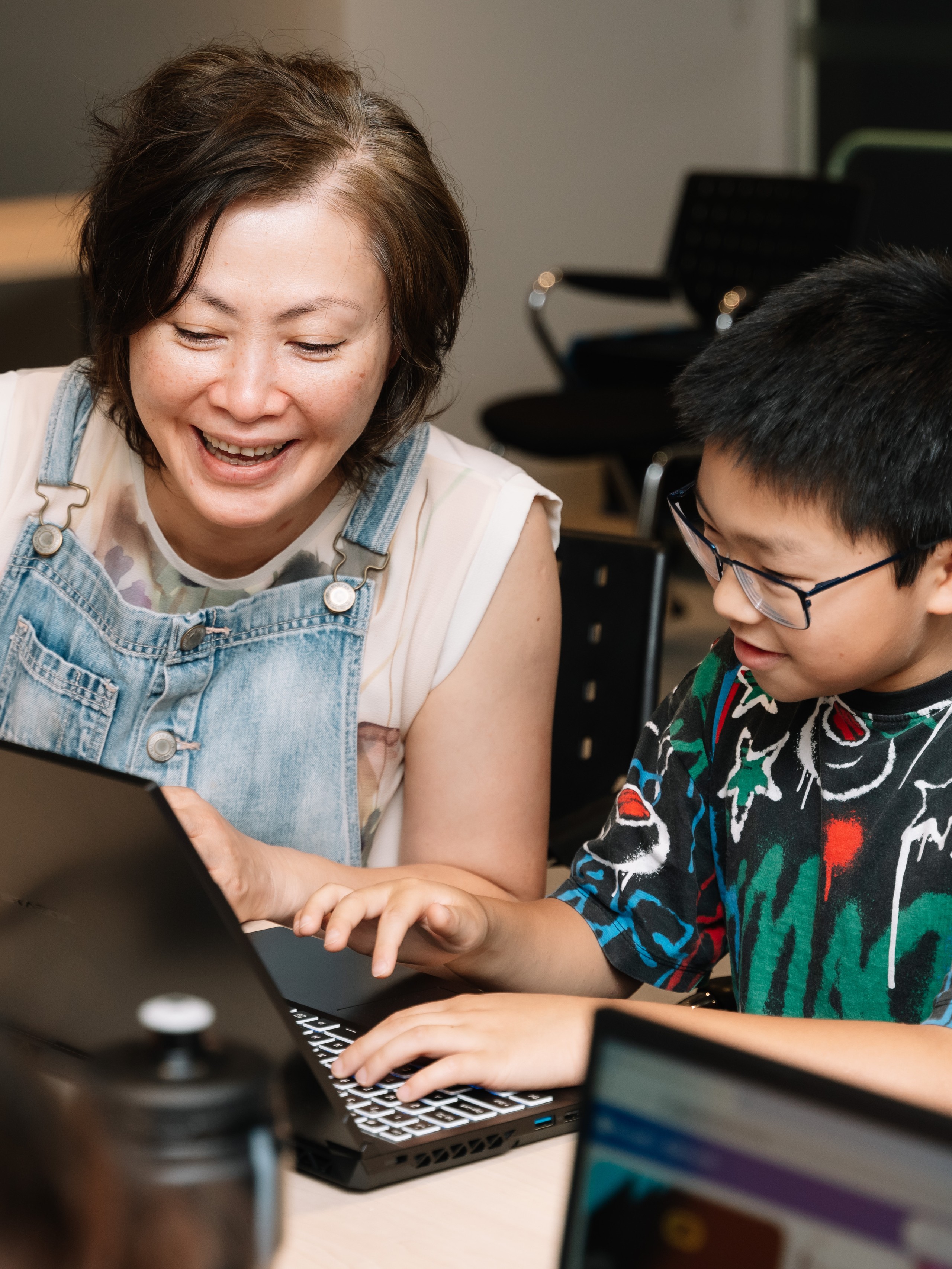
Photo by NCM
Future Connections: 3D Design and Printing
Year Level: 4–6
Duration: 2-hour workshop, including museum exploration
Maximum number of students: 30 per session
Price: $350 + gst
Lesson Summary
How might we communicate in the future? In this hands-on workshop, students become designers and inventors, using communication technologies from the museum as inspiration for their own future device.
Students begin with a guided introduction to Tinkercad, learning how to combine, resize and position shapes to create a personalised name tag. This introductory challenge builds confidence in 3D modelling and introduces the design choices involved in preparing a model for 3D printing.
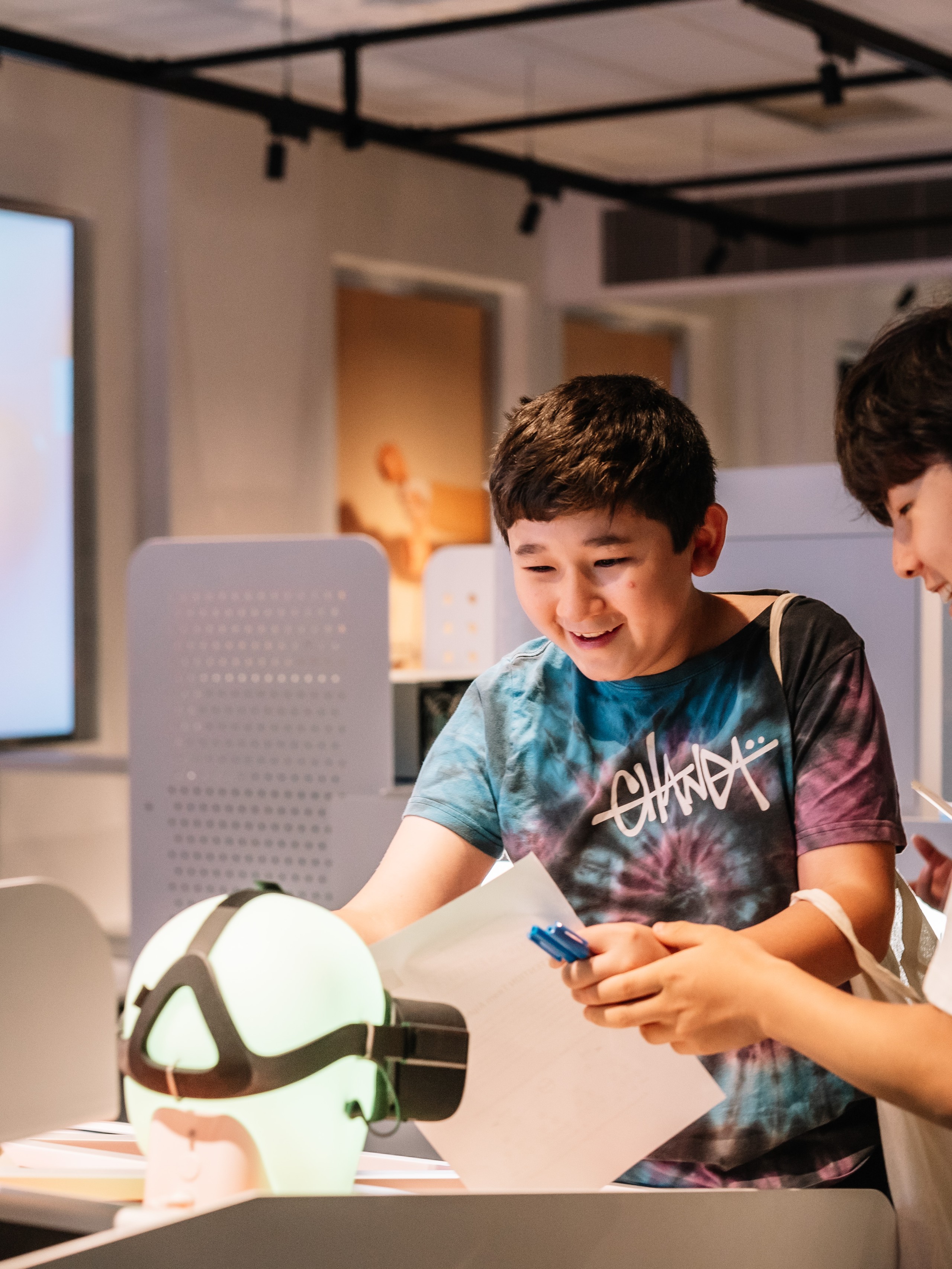
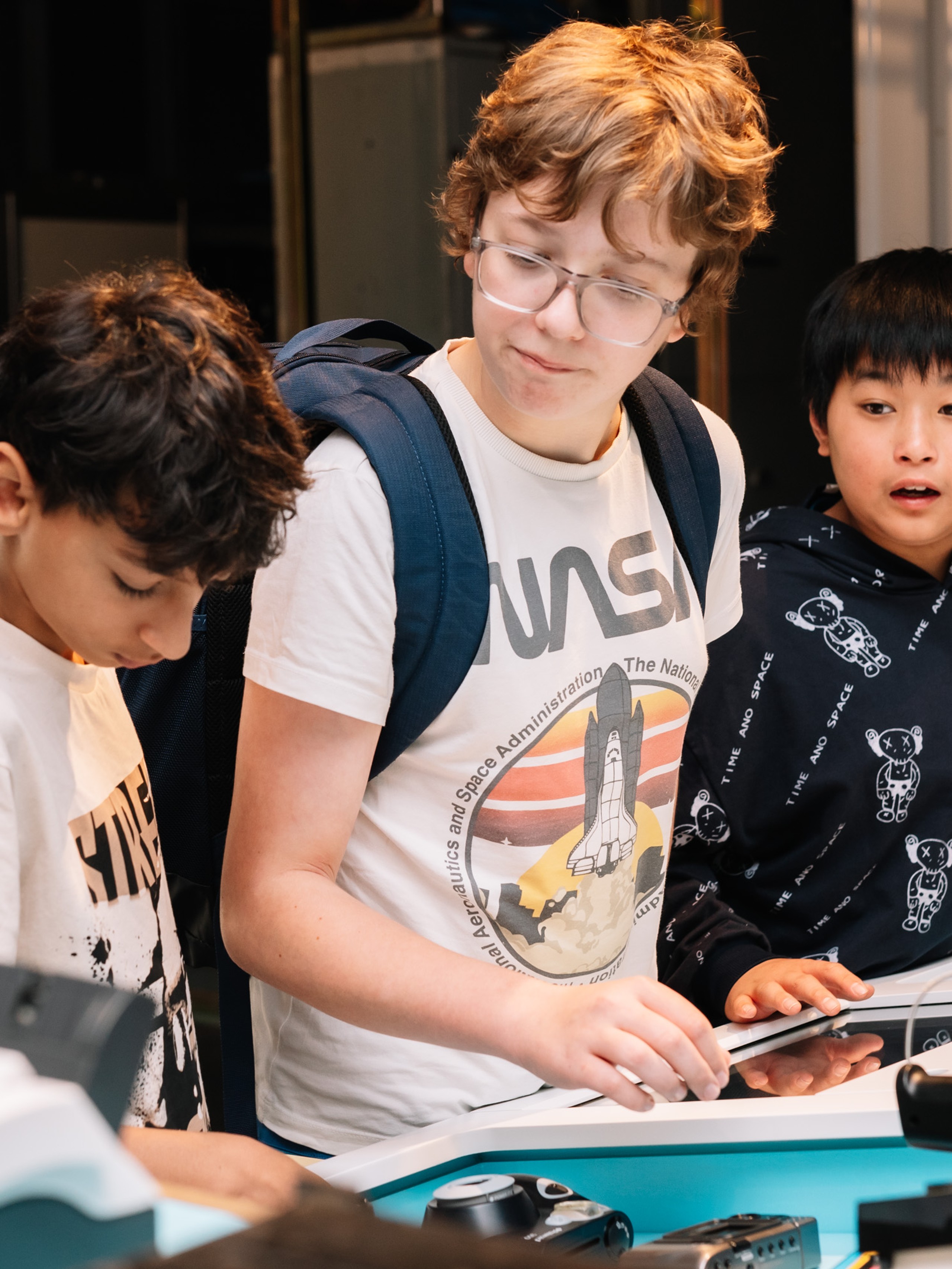
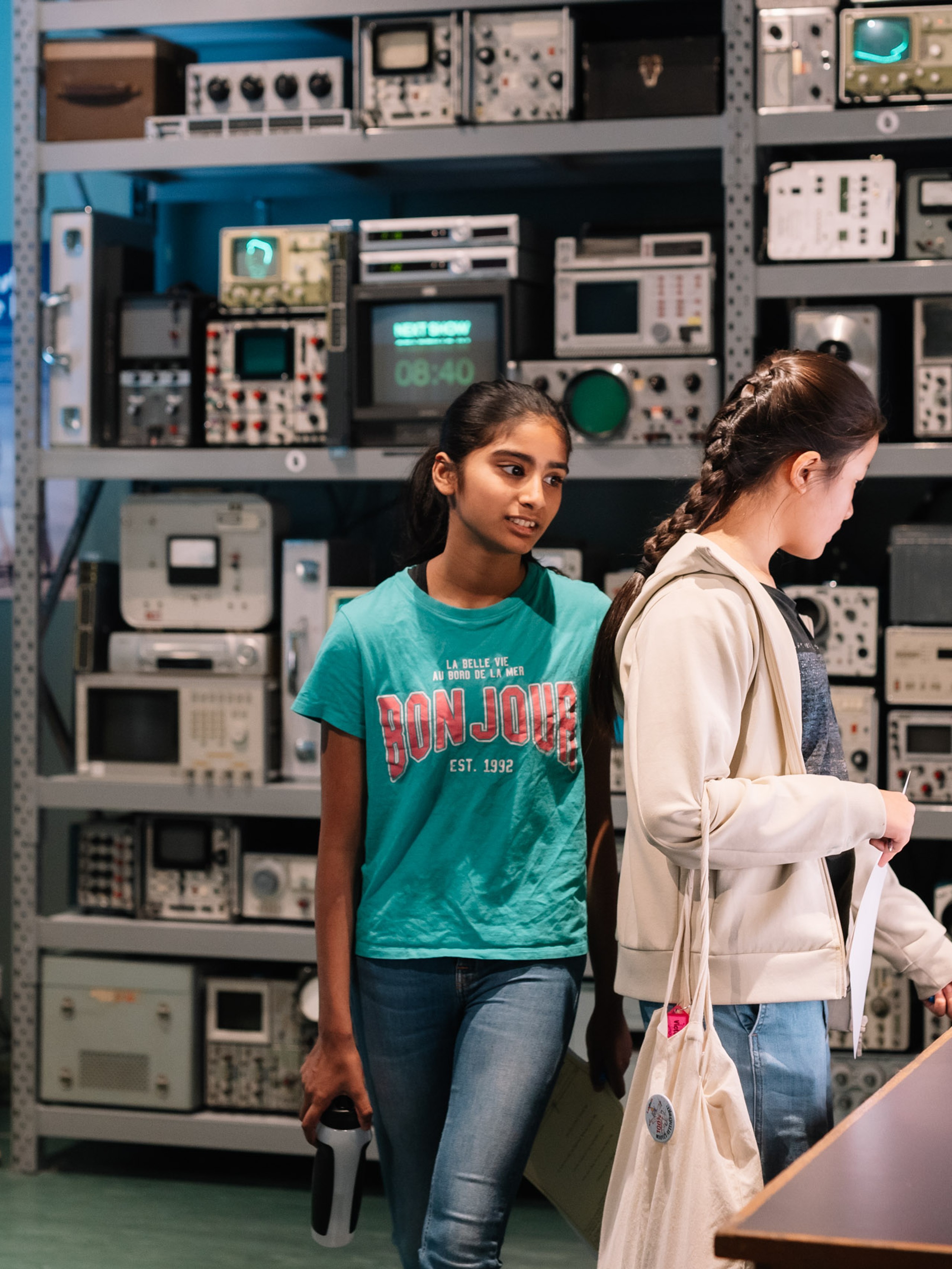
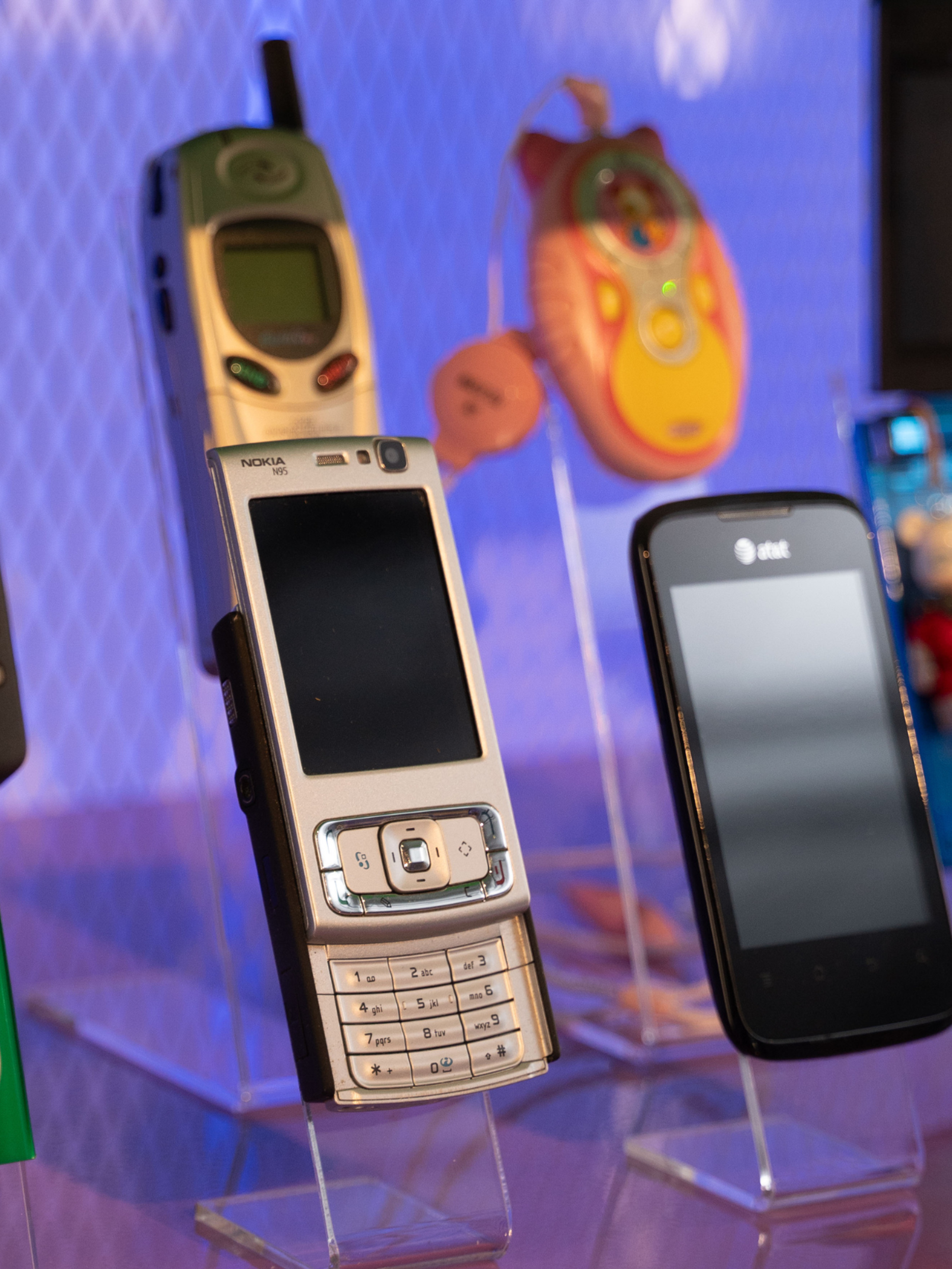
Students then explore objects in the museum, investigating how communication devices have changed and the needs they were designed to meet. Drawing on these discoveries, students imagine a future communication device for a particular person, community or situation.
Through sketches and digital modelling, students develop a prototype that shows their device’s shape and key features. They consider how someone would use it, how its design could make communication easier, and how thoughtful choices could reduce material use.
The workshop includes a demonstration of how a digital model becomes a physical object through 3D printing. Students conclude by sharing their designs, explaining their decisions and using feedback to identify improvements.
Suitable for beginners, with no previous 3D modelling experience required.
Learn about curriculum links below or fill in our enquiry form to start the booking process.
Objectives and Curriculum Alignment
Objectives
Students will:
- Investigate museum objects to identify how design responds to communication needs.
- Develop basic Tinkercad skills, including combining shapes, resizing, aligning and creating holes.
- Create a personalised name tag within a simple design brief.
- Identify a user and communication need for a future device.
- Generate and communicate ideas through sketches and a digital 3D prototype.
- Explore how material properties and printing constraints influence a design.
- Evaluate and refine their ideas using feedback and design criteria.
- Present their prototype and explain its intended purpose and features.
Curriculum Alignment
This lesson is linked to the following Victorian Curriculum 2.0 content descriptors:
Year 4: Design and Technologies
- VC2TDE4C04: Describe how material properties affect a product’s function.
- VC2TDE4D01: Explore design needs and relevant materials, tools and processes.
- VC2TDE4D02: Communicate design ideas using technical language and manual and digital representations.
- VC2TDE4D03: Select and safely use materials, components, tools and techniques.
- VC2TDE4D04: Evaluate ideas against given criteria, including sustainability.
Years 5–6: Design and Technologies
- VC2TDE6C04: Explain how materials, systems, components and tools influence production.
- VC2TDE6D01: Investigate design needs and the resources and processes required.
- VC2TDE6D02: Generate, iterate and communicate ideas, decisions and processes.
- VC2TDE6D03: Select, explain and safely use suitable production resources and techniques.
- VC2TDE6D04: Negotiate criteria addressing ethical considerations, including sustainability, and evaluate designs.