Workshop | Video Game Design: Building Stories, Worlds and Player Choices

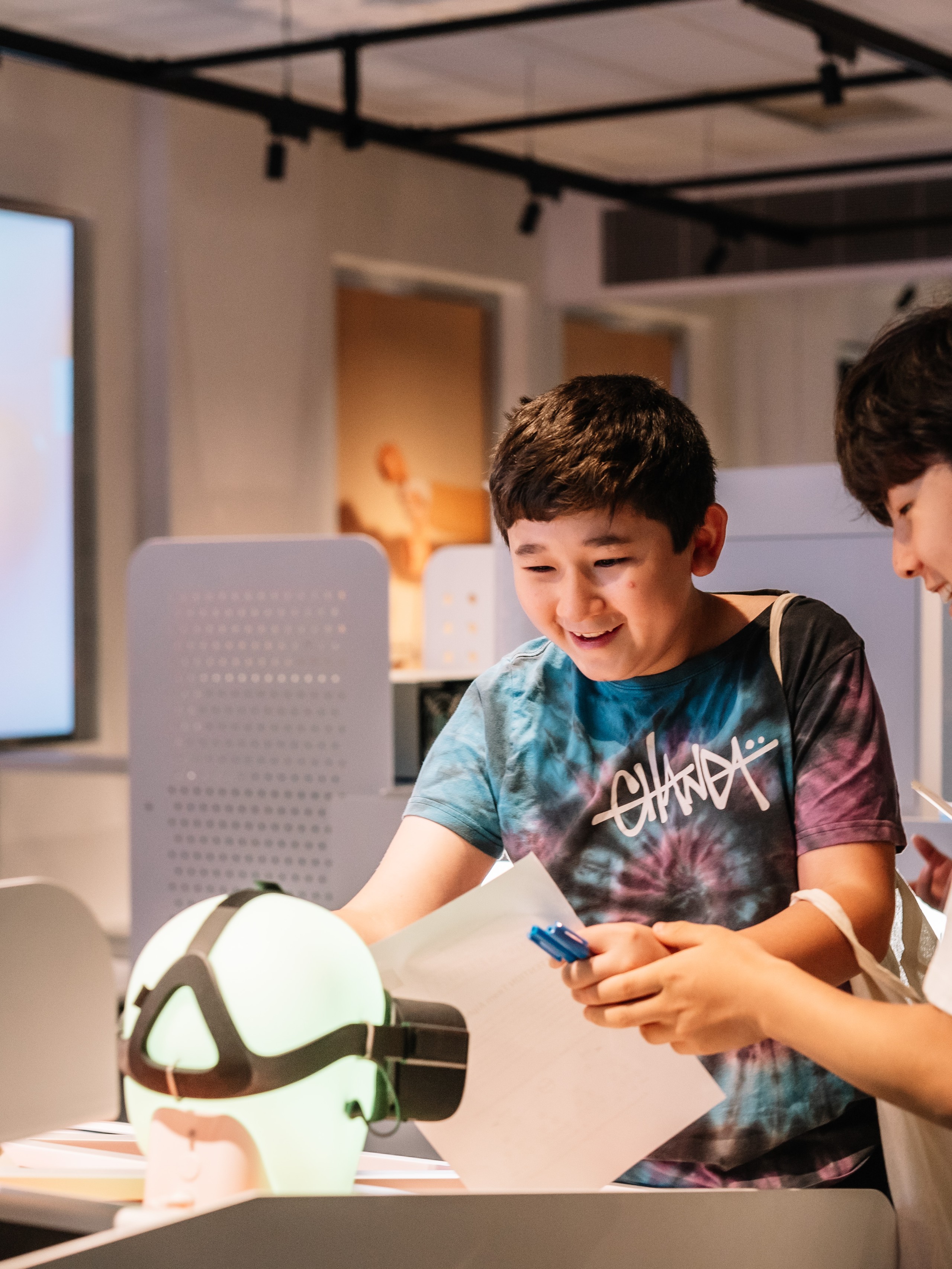
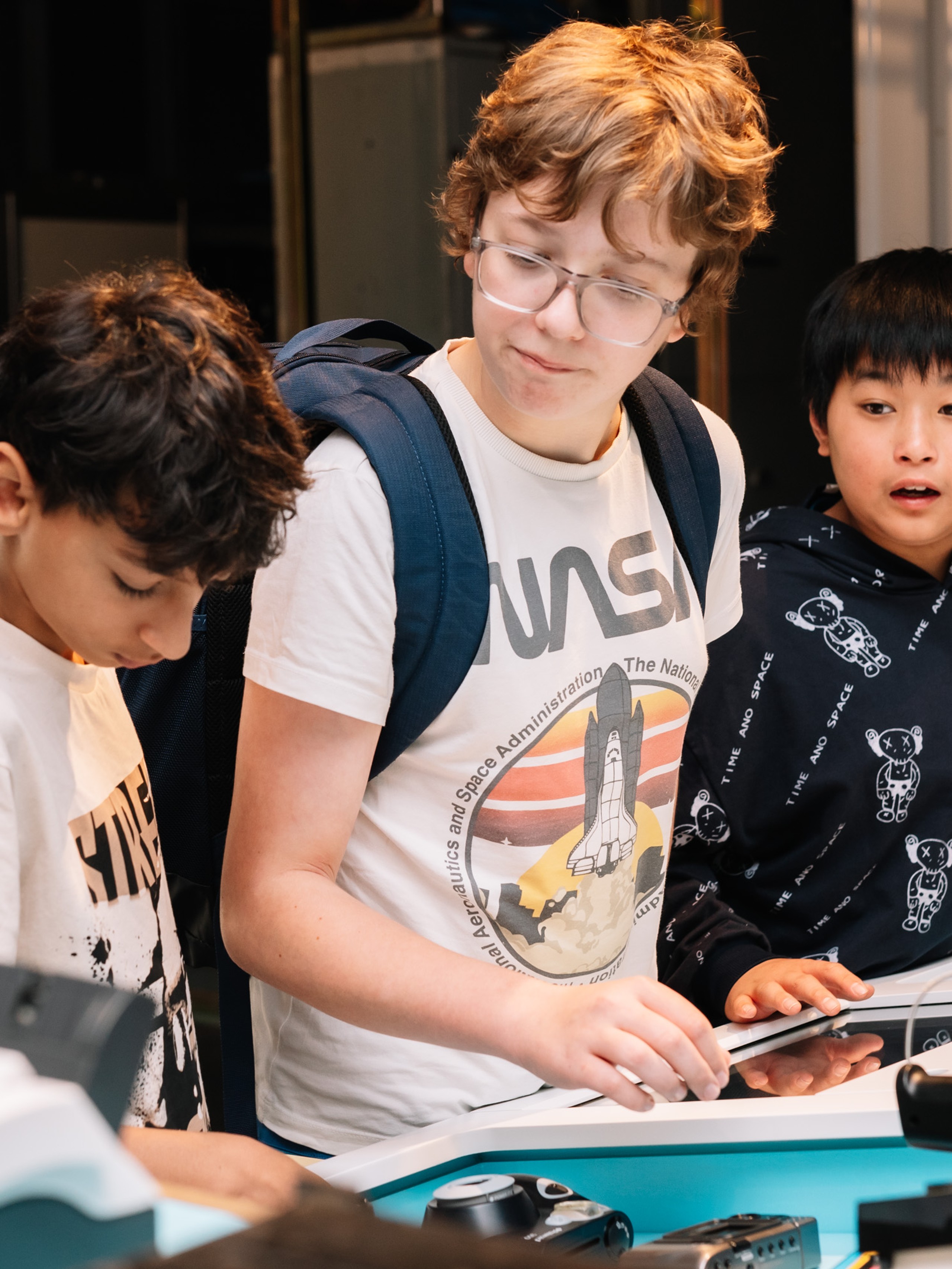
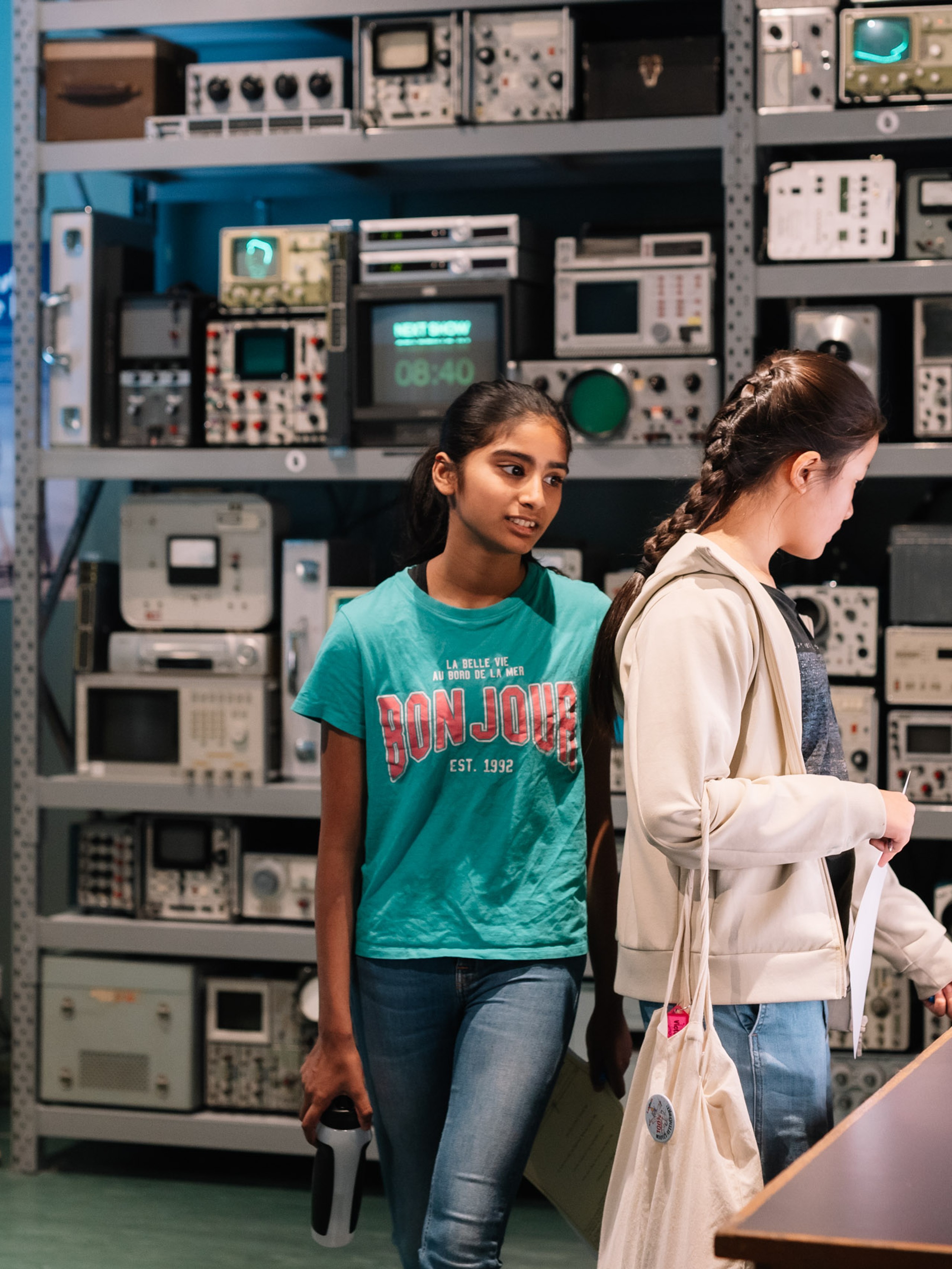
Photo by NCM
Video Game Design: Building Stories, Worlds and Player Choices
Year Level: 9–12
Duration: 3-hour workshop
Maximum number of students: 30 per session
Price: $350+gst
Lesson Summary
How do video games communicate ideas, tell stories and engage an audience? This workshop introduces students to the role of a video game designer, exploring how narrative, genre and game systems work together to shape a player’s experience.
Students examine examples of games, discussing how characters, settings, visual style, sound and player choices communicate meaning. They investigate how interactive storytelling differs from other media forms, and how a game’s rules can reinforce its themes.
Working in small design teams, students develop an original game concept for a defined audience. They establish their game’s premise, characters, world and core gameplay, considering what players will do, what choices they will make and why those choices matter.
Students document their ideas in a concise game design document, supported by a narrative outline, sample dialogue and a storyboard or player-choice map. They use peer and facilitator feedback to refine the relationship between their story, gameplay and intended audience.
The workshop concludes with a group pitch, where students present their concept and explain how their creative decisions will engage players and communicate their ideas.
This is a game design and storytelling workshop. No coding or game development takes place in this workshop.
Learn about curriculum links below or fill in our enquiry form to start the booking process.
Objectives and Curriculum Alignment
Objectives
Students will:
- Analyse how games use media conventions and interactive elements to communicate meaning.
- Explore relationships between genre, narrative, game systems and audience expectations.
- Develop characters, settings and player choices that support a central idea or theme.
- Consider how representations and perspectives influence a player’s experience.
- Collaboratively create a game design document for an intended audience.
- Write and refine a narrative outline and sample dialogue.
- Use feedback to improve the clarity and coherence of their concept.
- Deliver a persuasive pitch using appropriate language and visual material.
Curriculum Alignment
This lesson is linked to the following Victorian Curriculum 2.0 content descriptors:
Media Arts — Year 9–10
- VC2AMA10E01: Investigate how media artists construct representations to communicate and challenge ideas, perspectives and meaning.
- VC2AMA10D02: Analyse, evaluate and document media works and practices to inform creative choices.
- VC2AMA10C01: Design and structure media works that communicate ideas, perspectives and meaning.
English — Year 10
- VC2E10LA07: Evaluate how images and sound affect representations.
- VC2E10LE06: Create texts with a sustained voice for particular purposes and audiences.
- VC2E10LY02: Deliver structured spoken texts with deliberate consideration of audience.
- VC2E10LY09: Review, edit and refine texts for coherence and intended effects.
VCE Media — Years 11–12
The workshop can support:
- Unit 2, Area of Study 1: Narrative, style and genre — through analysis of how game narratives and stylistic choices engage audiences.
- Unit 3, Area of Study 2: Research, development and experimentation — through researching genre, narrative conventions and audience to inform a production concept.
VCE English — Years 11–12
The workshop can be adapted to support:
- Unit 1, Area of Study 2: Crafting texts — through drafting, receiving feedback, refining narrative writing and explaining choices about audience and purpose.
- Unit 3, Area of Study 2: Creating texts — through a teacher-selected writing task connected to the class’s Framework of Ideas and mentor texts.